 Call us on 01635 728081
 Email us at info@premier-homeimprovements.net
 Want us to call you? Request a Callback


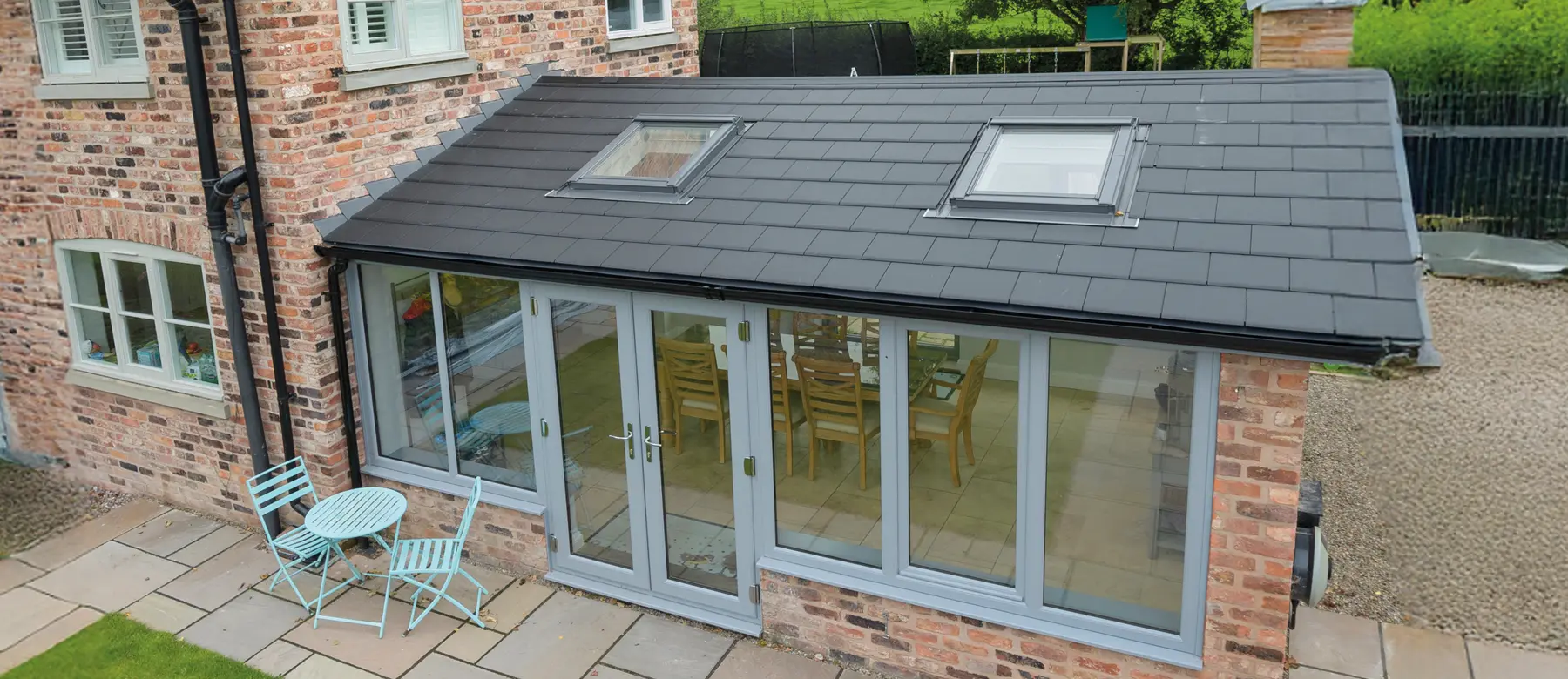
If you're thinking about adding more living space to your home, you've probably come across both orangeries and conservatories.
One of the first questions homeowners ask when considering an orangery is whether they’ll need planning permission.
For most properties, the answer is no. Most orangeries in Newbury can be built under permitted development rights, which allow certain types of construction to go ahead without a formal planning application. But the rules come with specific conditions, and it’s worth understanding them before you commit to a project size or design.
What Are Permitted Development Rights?
Permitted development (PD) rights are a set of nationally set rules that allow homeowners to carry out certain construction work without applying for planning permission. For extensions which is the category an orangery falls under, they allow you to extend your home up to specific size limits without needing council approval.
Permitted development rights apply across England, but they can be restricted or removed by local planning conditions, conservation area designations, or Article 4 Directions.

When Can an Orangery Be Built Under Permitted Development?
Under current permitted development rules, a rear extension such as an orangery can generally proceed without planning permission if all of the following conditions are met:
- The extension does not project more than 3 metres beyond the rear wall of the original house (or 4 metres for a detached property)
- The height does not exceed 4 metres (or 3 metres if the extension is within 2 metres of a boundary)
- No more than 50% of the total garden area is covered by extensions and outbuildings. This is a cumulative figure, not just the new structure
- The materials used are similar in appearance to those of the existing house
- The extension does not project beyond the side elevation of the original house
There is also a ‘larger home extension scheme’ that allows single-storey rear extensions up to 6 metres (or 8 metres for detached houses), subject to a neighbour notification process and no objections.
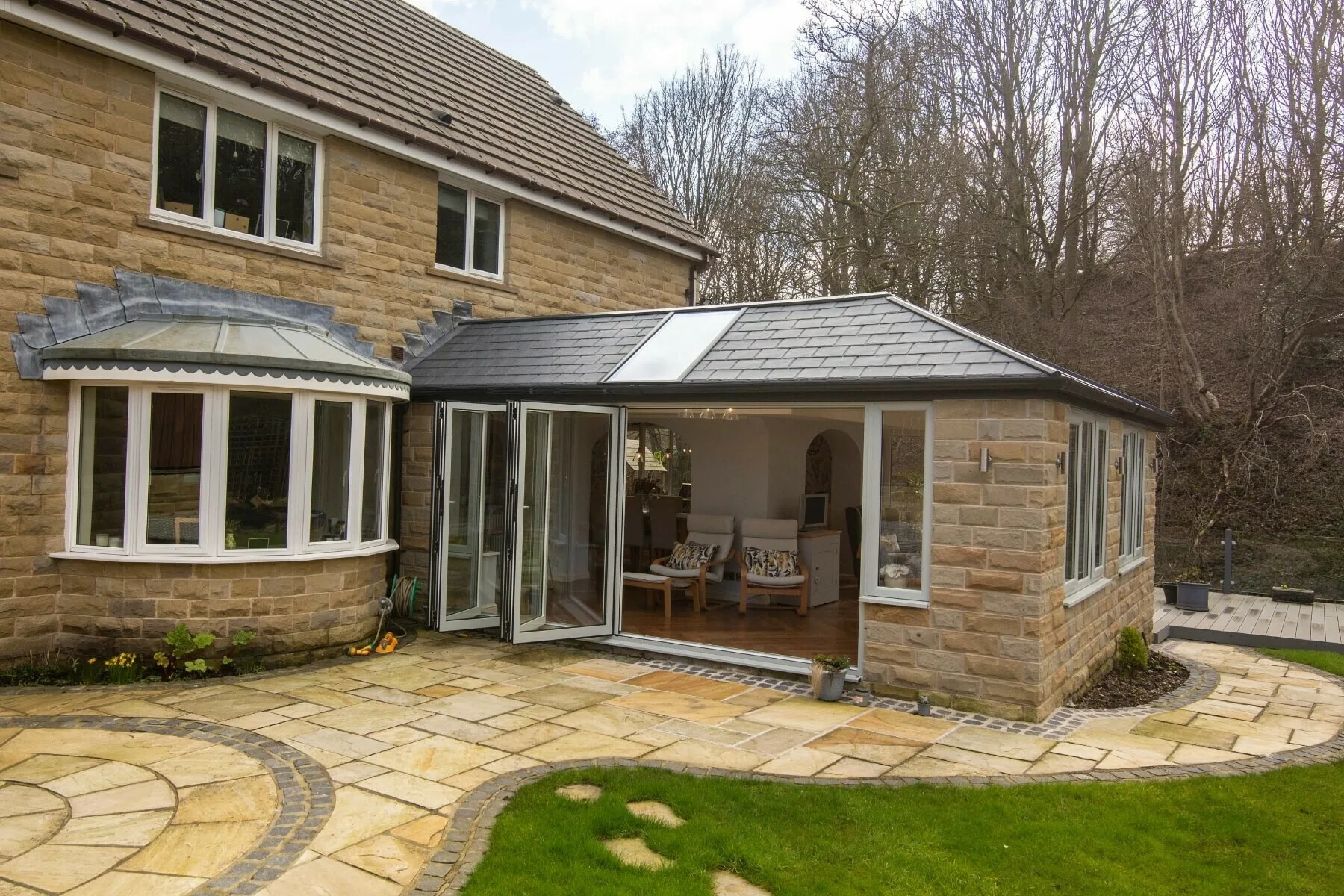
When Will You Need Planning Permission?
A full planning application will likely be required if:
- Your property is in a conservation area, national park, or Area of Outstanding Natural Beauty; restrictions are significantly tighter in these locations.
- The property is listed
- Previous extensions mean you’ve already used your permitted development allowance
- The proposed orangery exceeds the size limits described above
- Your property has had PD rights removed by an Article 4 Direction this occasionally applies in certain housing developments or sensitive areas
West Berkshire, which includes Newbury and the surrounding towns, contains parts of the North Wessex Downs National Landscape (formerly AONB). If your property is within or near this designation, it’s worth confirming the designation with West Berkshire Council before proceeding.
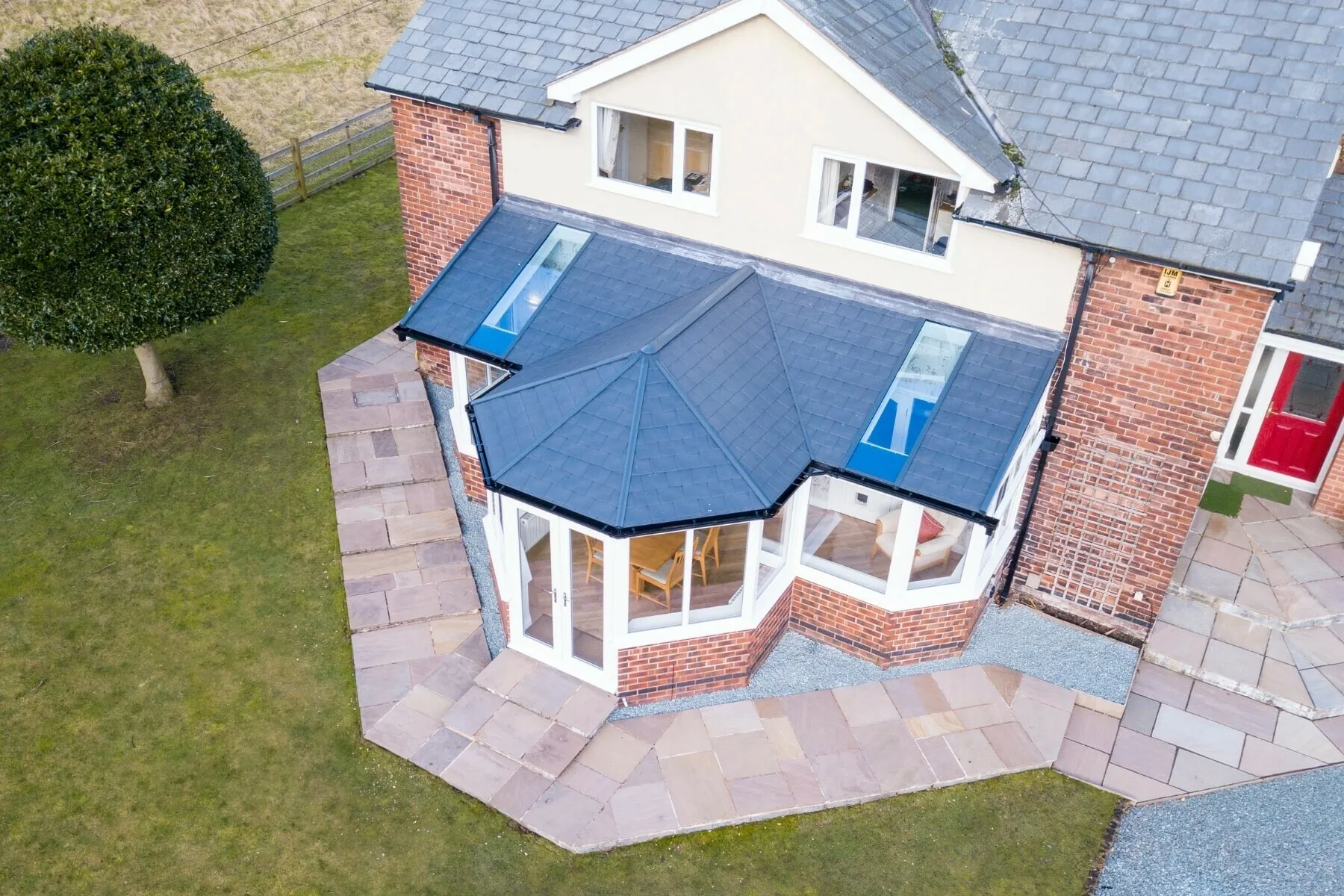
Building Regulations — A Separate Requirement
Even if your orangery doesn’t require planning permission, it will almost certainly need to comply with building regulations, which cover structural safety, drainage, fire safety, and thermal performance.
A reputable installer will manage the building regulations process as part of the project but confirm this upfront so there are no surprises.
How to Confirm Your Position
The most reliable ways to establish whether your specific project needs planning permission are:
- Use the Planning Portal permitted development checker at planning.portal.gov.uk
- Apply for a Lawful Development Certificate from West Berkshire Council — this provides a formal document confirming the work is lawful, which is particularly useful when selling the property
- Speak to your installer, any experienced company should be able to advise based on the specifics of your property and project
We always recommend getting clarity on the planning position early in the process. It ensures the design can be finalised with confidence and avoids the cost and delays of later changes.
Not sure whether you need an orangery or a conservatory? Read our guide on the key differences between an orangery and a conservatory.
Get In touch
Contact us on 01635 728081 or complete our Online Enquiries Form